Training is key to restoring faith in scandal-hit funeral sector
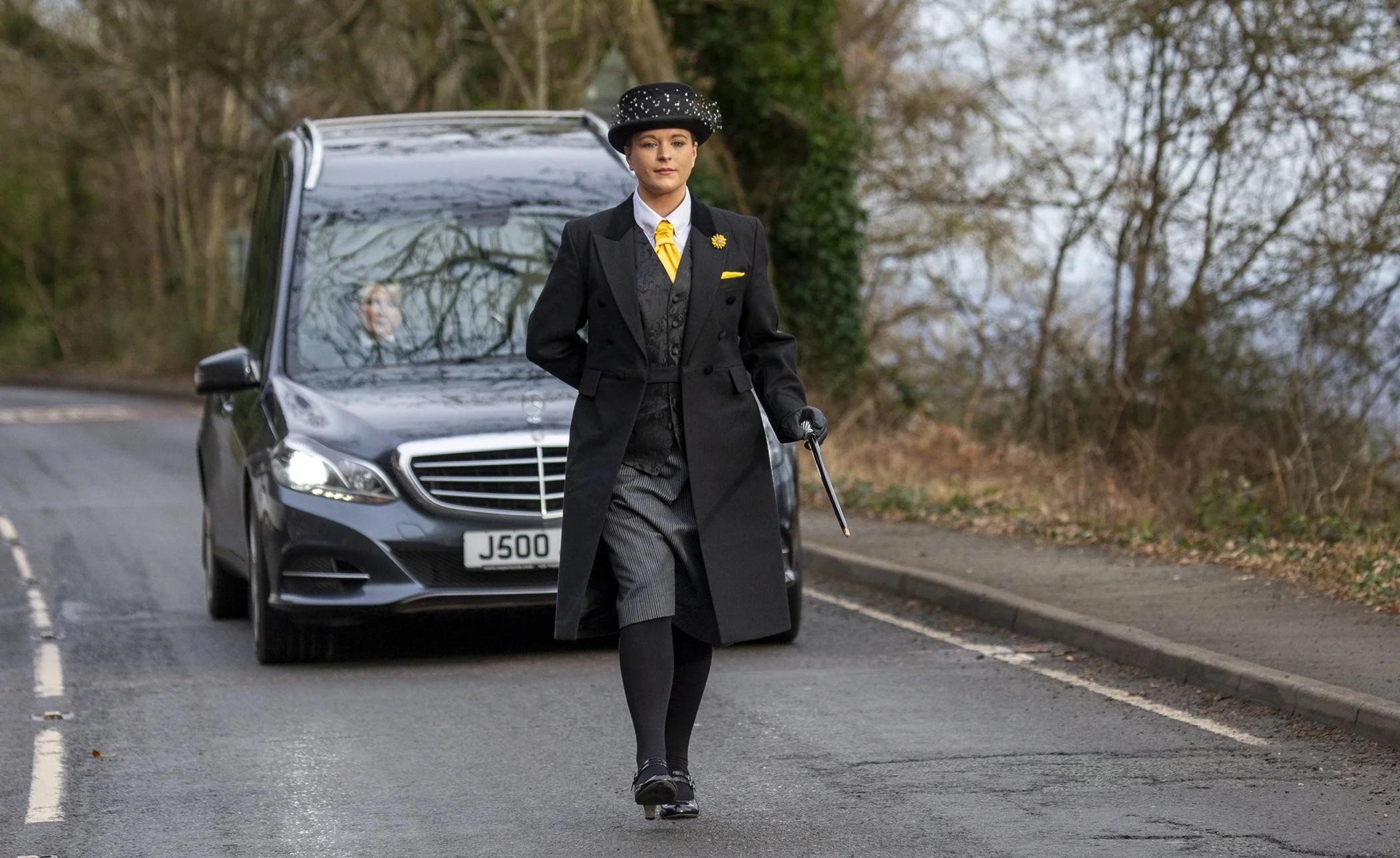
Accredited training is now the most effective safeguard for bereaved families, as a series of high-profile scandals and the absence of statutory regulation continue to undermine confidence in England’s funeral sector.
In recent years, multiple deeply distressing cases have exposed serious failings in how the deceased are cared for. Most notably, a major official inquiry into killer David Fuller — who abused more than 100 bodies in an NHS mortuary over a 12-year period — branded the funeral sector an “unregulated free-for-all”.
The inquiry, led by Sir Jonathan Michael, called for the introduction of a statutory regulatory regime to address what it described as a “systemic failure” in England to effectively monitor those handling human remains. The Government is now considering options for a new regulatory framework in response to its findings.
However, while regulation remains under review, many professionals within the sector are not waiting for reform to be enforced. Instead, they are taking responsibility now by investing in accredited training to raise standards, demonstrate competence and protect families.
Connect2FuneralServices, part of Connect2Care, offers accredited training aligned with nationally recognised occupational standards for key funeral service roles.
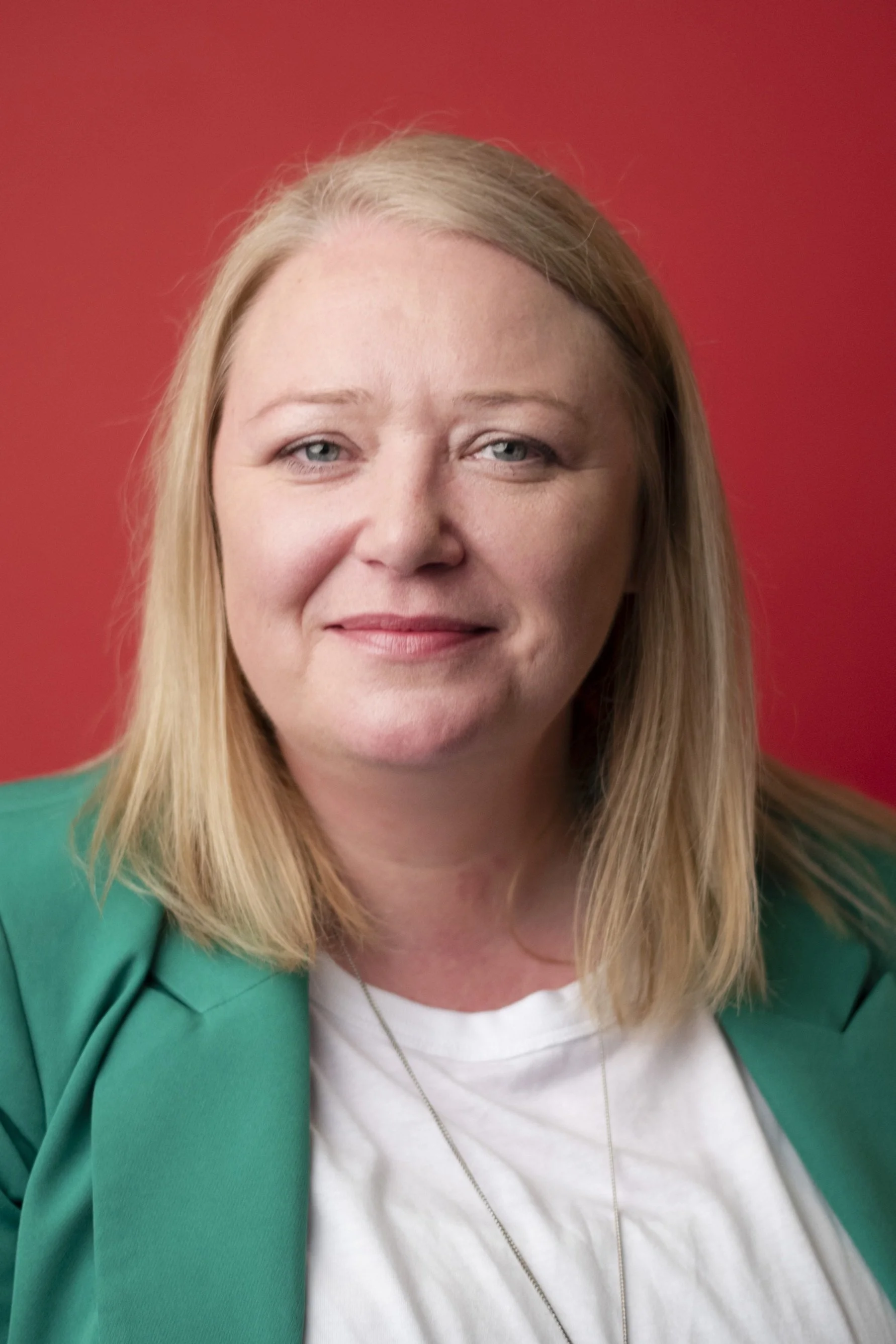
Kirtsty Simmonds, National Sector Lead - Connect2FuneralServices
Kirsty Simmonds, National Sector Lead for Connect2FuneralServices, said “Until regulation is introduced, accredited training remains the only consistent and verifiable measure of professional competence within funeral services.
“While training is not a substitute for regulation, it provides clear reassurance in a sector where no mandatory standards currently exist.”
She added that there is a widely held assumption that funeral professionals are trained, qualified and accountable. In reality, in England, anyone can set up a funeral business without a licence, qualifications, experience or formal training.
“This leaves families — already coping with the emotional impact of bereavement — vulnerable to poor practice, misconduct and further distress at an extremely difficult time.
“Sadly, the David Fuller case was not an isolated incident. Earlier this month, the directors of a funeral home in Gosport were convicted after six decomposing bodies were discovered in a mortuary room. Before that, the high-profile case of Legacy Independent Funeral Directors in Hull revealed that 35 bodies and sets of ashes were improperly stored.
“These cases all highlight the consequences of operating without mandatory standards, and underline the critical role accredited training plays in protecting families and restoring trust.”
She continued: “Apprenticeships and accredited training programmes are built to national occupational standards, are externally assessed and quality assured. They provide consistent, measurable competence — something the sector has lacked for too long.
“Those investing in accredited training are demonstrating ethical leadership, safeguarding families and preparing their workforce for the regulation that is inevitably coming.
“This commitment provides the reassurance bereaved families are increasingly calling out for — that their loved ones are being cared for with dignity and professionalism — and helps prevent a repeat of the damaging headlines that have undermined confidence in the sector.”
To find out more about the accredited training options available from Connect2FuneralServices, visit: https://connect2care.net/funeral-services/