Integrating eco-therapy into hospice care: why spring offers a timely opportunity
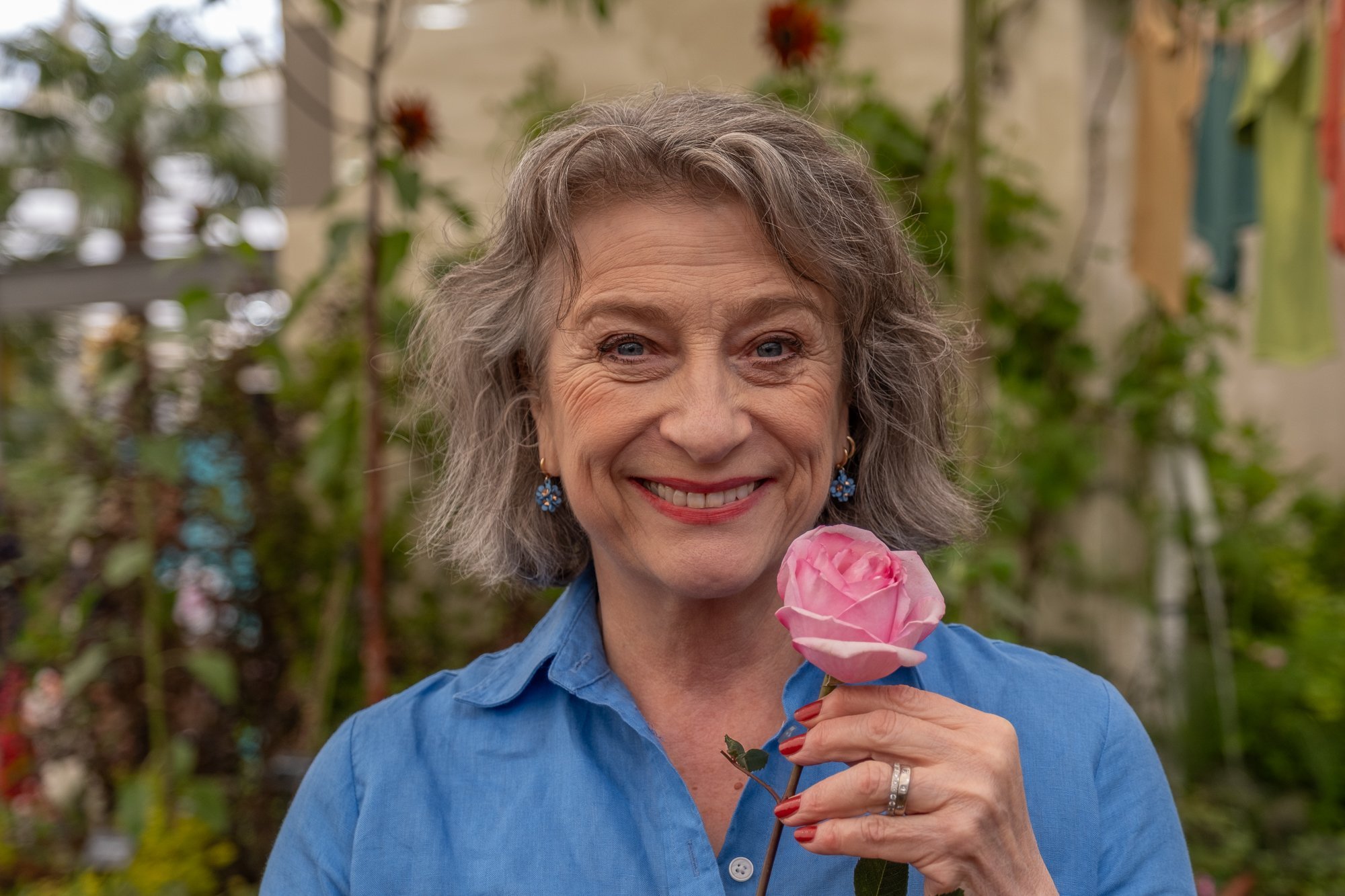
By Pippa Ford, Senior Psychological Therapist and Eco Therapist at St Peter’s Hospice in Bristol
In hospice care, experiences of time often shift. For patients and families facing dying and loss, time can feel slowed, suspended or suddenly accelerated. Seasonal change can therefore take on heightened meaning, acting as a marker of transition, uncertainty, and, for some, survival.

Pippa Ford
As spring arrives, this shift presents an opportunity for hospices to consider how nature-based approaches, often referred to as eco-therapy, can support holistic care.
Eco-therapy - sometimes called ecopsychology or nature-based therapy - is a therapeutic approach that recognises the natural world as an active component of psychological wellbeing. Rather than being limited to the consultation room, it incorporates elements such as weather systems, seasonal change and outdoor spaces into therapeutic work. It draws on a growing evidence base demonstrating that connection with nature can support emotional processing - an outcome which is closely aligned with the goals of palliative care.
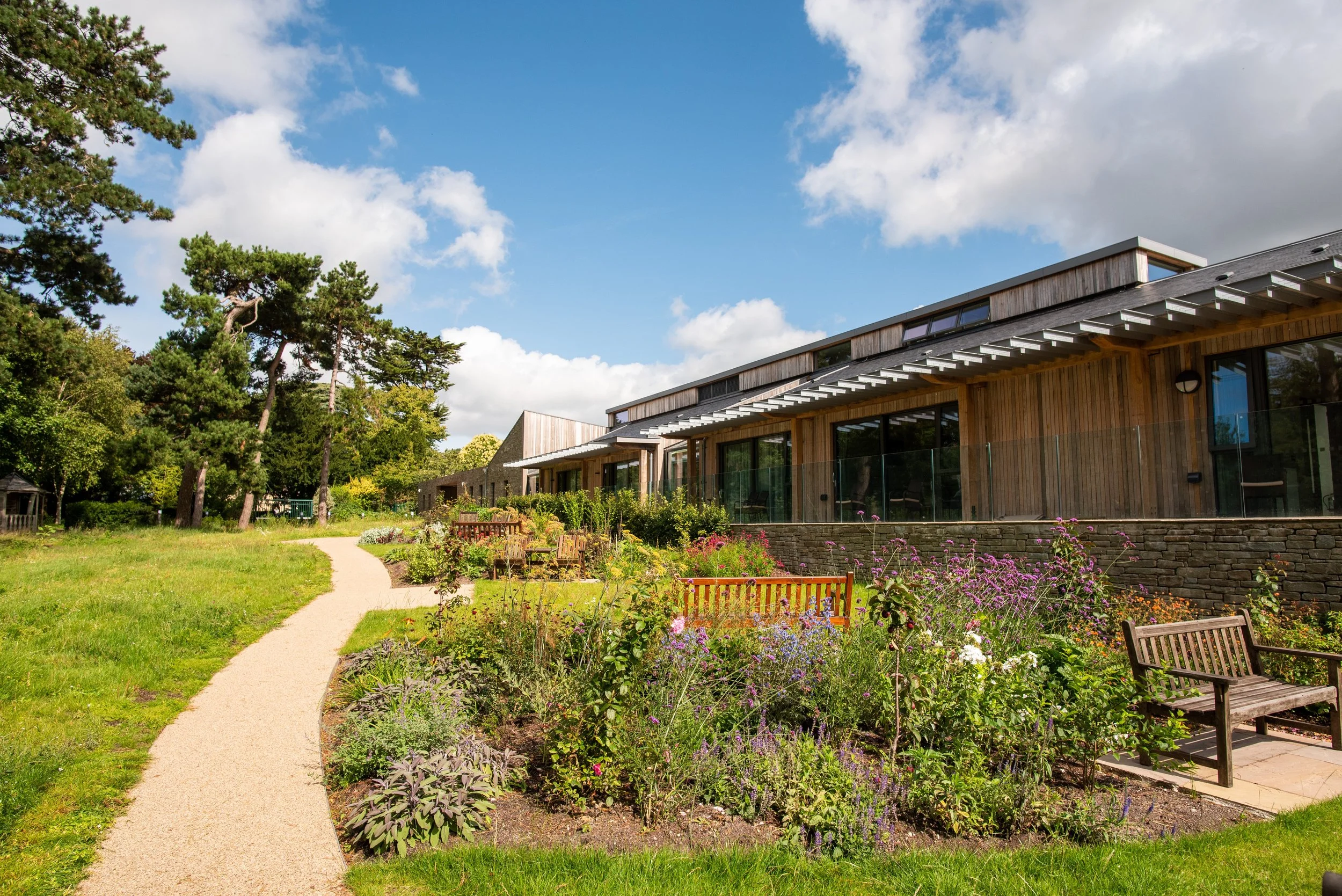
In practice, eco-therapy doesn’t need to be complex. At St Peter’s, this can be as simple as inviting a patient to look out of a window and notice what is there - a bird landing, the quality of light, clouds moving. Outside, the hospice garden becomes a third presence in the therapeutic relationship. These moments can help provide gentle distraction from pain or distress and support meaning making.
One bereaved young person was working with questions she could not answer. We took these ‘big questions’ outside during a therapy session, where she began collecting symbols of the uncertainties she was facing. She wove feathers, leaves and early spring blossoms into a makeshift frame of sticks, as a way to speak about her mother and her grief, and as a ‘snapshot’ image, framing her experience at this time of her life. The use of composting matter, dried foliage and new flowers supported her to reflect on the way grief can feel at different times, as well as to capture a sense of awe in the cycles of life.
Nature offered this young person a language when words felt out of reach. In grief psychology, this is understood as meaning reconstruction (Neimeyer, 2001) - rebuilding a coherent relationship with the world after loss.
As pressures on hospice services continue, eco-therapy offers a low-cost, adaptable approach that aligns closely with the principles of person-centred and holistic care. At a time when hospices are balancing increasing demand with limited resources, approaches that are both effective and low-cost are particularly valuable. Spring provides a natural point to reflect on how these approaches might be more intentionally embedded, whether through the use of existing gardens, outdoor therapeutic sessions, or simply greater awareness of the role environment plays in care.
Nature does not remove the realities of dying and grief, but when used intentionally within hospice care, it helps patients regulate, grieve, make meaning, and remain connected to something larger than their suffering.
St Peter’s Hospice is Bristol’s only adult hospice, providing care to patients and their families in Bristol, South Gloucestershire and North Somerset. As well as providing home and community support the Hospice in Brentry has 15 spacious en-suite rooms, all with sliding doors opening out onto the tranquil gardens.
For more information visit St Peter's Hospice